BUT MY HORSE ISN'T DROPPING FEED!
- cmperfhorses
- Mar 26, 2025
- 2 min read
A Hidden Key to Performance: Why Regular Dental Maintenance Matters for Your Horse

As horse owners, we meticulously care for our equine partners—monitoring their diet, hoof care, training schedules, and overall well-being. But one area of maintenance that often gets forgotten is dental care. So often we wait until a horse is dropping feed or showing clear signs of discomfort. However, waiting for these symptoms to appear can mean your horse has already been dealing with unnecessary pain and inefficiencies in how they process feed and how they handle the bit in their mouth.
The Silent Problem: Uneven Wear and Sharp Points
Horses' teeth continuously grow and wear down throughout their lives. Because of the way they chew, sharp points can develop on their molars, creating painful ulcers along the cheeks and tongue. These issues don’t always manifest as obvious signs of discomfort—some horses will continue eating and performing without making their pain apparent.
However, discomfort from dental problems can still impact performance. If a horse is dealing with sharp points or uneven teeth, they may have difficulty properly chewing their feed, leading to poor digestion and reduced nutrient absorption. Over time, this can affect their energy levels, coat condition, and overall athletic ability.
Performance Impacts of Dental Issues
For performance horses, even slight discomfort can make a big difference. Here are some subtle signs that could indicate dental discomfort:
Resistance to the bit
Difficulty flexing at the poll
Head tossing or tilting while riding
Unexplained weight loss
Excessive salivation or mild fussiness when eating
Uneven muscle development in the jaw
Even if your horse isn’t showing these signs, regular floating ensures that small issues don’t escalate into performance-limiting problems. A Real-Life Example: Meet Solo
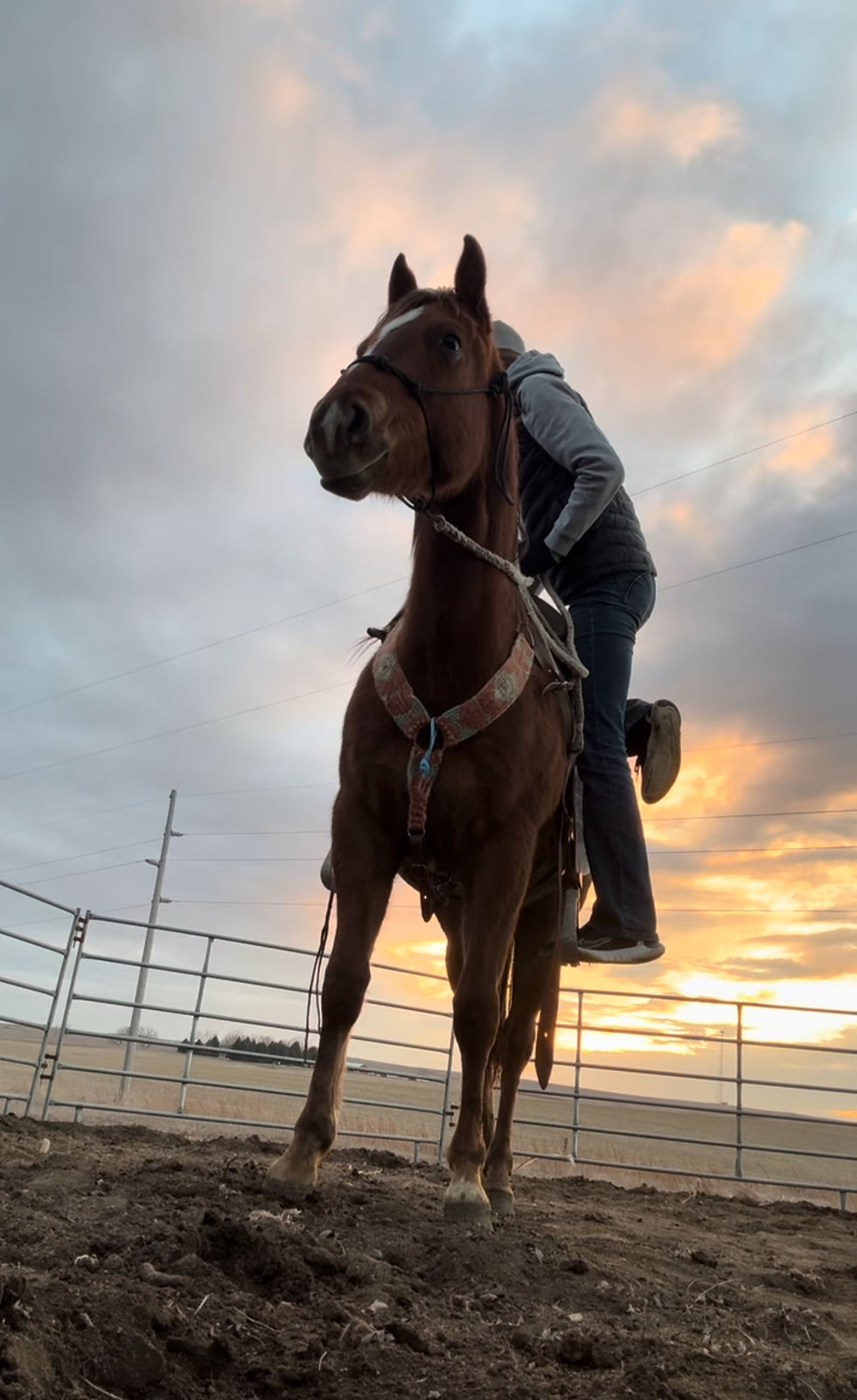
Solo came to CM Performance last fall for sale prep. Solo is an older girl and had spent the last few years just out in the pasture being a horse, despite her previous years in the arena. When she got here she wasn’t thrilled to be on a regular workout regimen but after a few days of riding it was apparent something was going on. She didn’t mind taking the bit and wasn’t dropping feed but she would flip her head like crazy throughout our rides together. After having her teeth floated the flipping and reluctance to bit pressure subsided!
Preventative Care: How Often Should Your Horse’s Teeth Be Floated?
The best approach is preventative care rather than reactive treatment. Most horses should have their teeth checked by an equine dentist or veterinarian every 6 to 12 months to ensure proper alignment and smooth chewing surfaces. Young horses, senior horses, and performance horses in heavy work may need more frequent checks to ensure their teeth aren’t causing discomfort or interfering with training.

The Bottom Line
Regular dental maintenance isn’t just about preventing feed loss—it’s about ensuring your horse’s overall well-being, comfort, and ability to perform at its best. By making floating a routine part of your horse’s care, you can prevent issues before they start and keep your partner feeling and performing at their peak.
Don’t wait for signs of discomfort—schedule your horse’s next dental check today and give them the best chance at a long, healthy, and successful career!
Comments